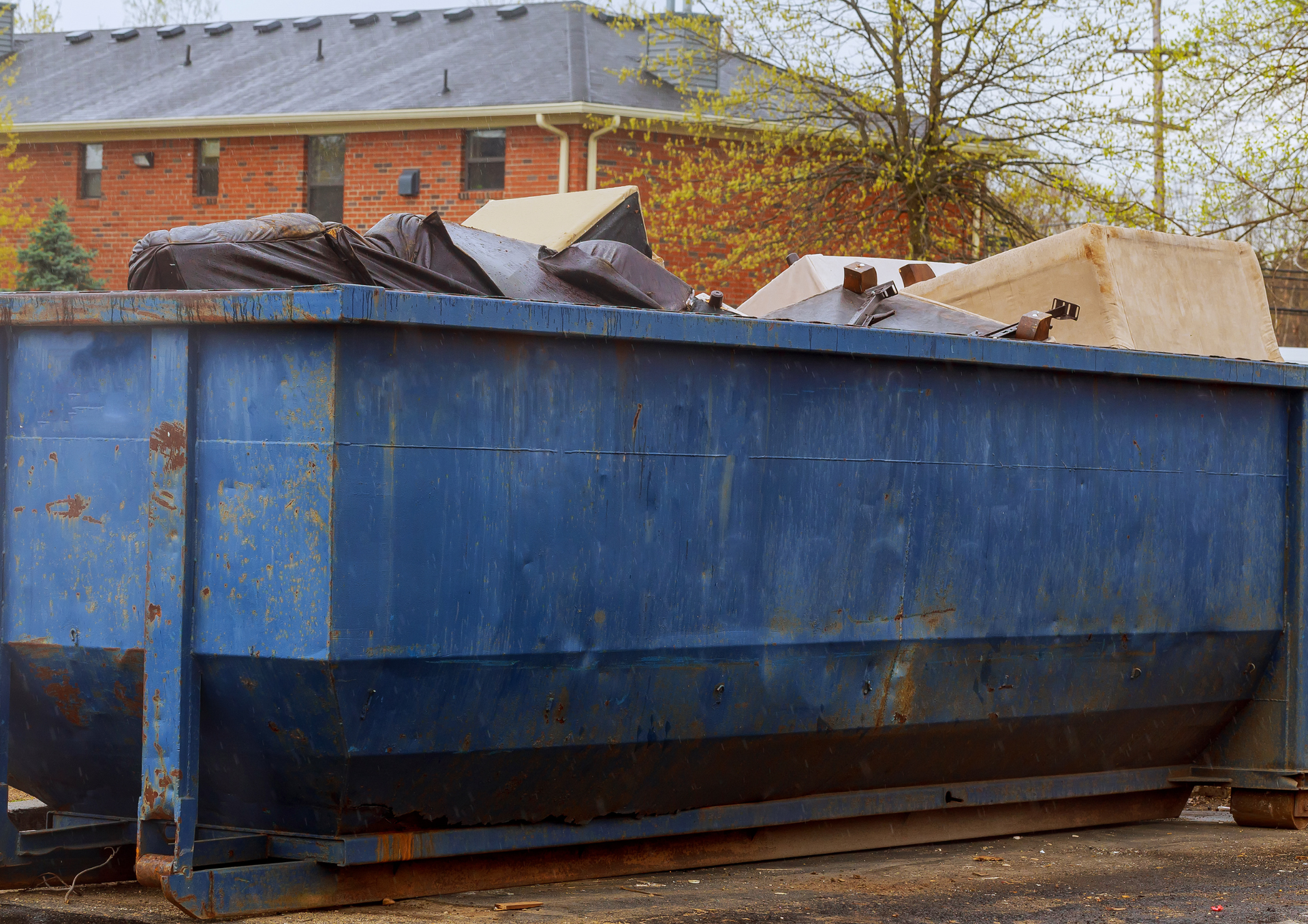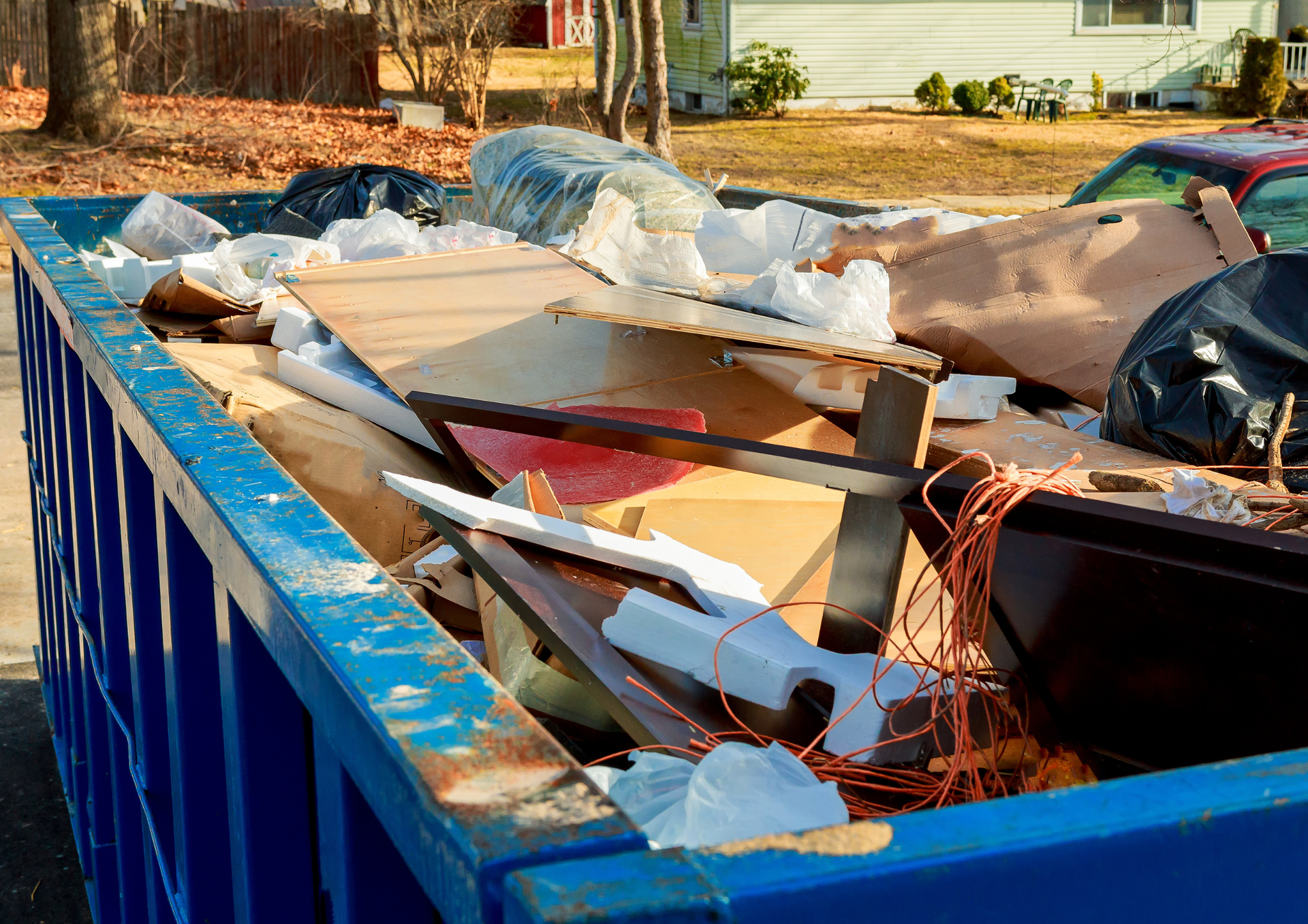

Using Local Skip Hire for Garden Waste and Outdoor Clearances
Garden improvements and outdoor clearances can produce considerably more waste than expected. Cutting back established shrubs, replacing fencing, clearing an overgrown garden or preparing an outside area for landscaping can quickly create piles of branches, soil, timber and unwanted materials. Arranging local skip hire provides a practical way to keep this waste contained while allowing work to continue without repeatedly transporting materials away from the property.
For homeowners, an organised waste solution can make seasonal garden maintenance and larger landscaping projects easier to manage. Landlords may require waste removal when preparing rental properties, while surveyors and local authorities may need suitable arrangements when overseeing maintenance or improvement work. Commercial premises can also generate substantial outdoor waste when grounds, car parks or landscaped areas are being cleared.
Good planning is particularly important because outdoor projects vary significantly in scale. A straightforward garden tidy-up has very different requirements from removing an old shed, replacing a patio or clearing vegetation from a large commercial site. Considering the likely volume and type of waste before work begins helps ensure that the chosen solution is suitable for the job and available space.
Planning Waste Removal for Different Garden Projects
Garden projects can range from light seasonal maintenance to substantial landscaping work. Understanding what the job is likely to produce before arranging disposal helps customers choose an appropriate solution and keep outdoor spaces organised throughout the work.
Routine Garden Maintenance
- Grass cuttings, leaves, small branches and hedge trimmings can accumulate surprisingly quickly, particularly when several areas are being maintained at the same time.
- Clearing waste as work progresses prevents piles of vegetation from occupying paths, driveways or working areas.
- Planning disposal before beginning a larger seasonal tidy-up can reduce interruptions once the work is underway.
Landscaping and Garden Redesign
- Removing established plants, changing borders and preparing areas for new landscaping can generate considerably more material than routine maintenance.
- Old edging, broken planters and unwanted garden features may need to be handled alongside natural garden materials.
- Estimating the volume beforehand makes it easier to decide how much capacity will be needed.
Fencing, Sheds and Outdoor Structures
- Replacing fencing can produce timber panels, posts and other bulky materials that take up significant space.
- Dismantling an old shed, play structure or other outdoor feature may create mixed materials that need careful organisation.
- Customers should consider how bulky items will fit before loading so the available capacity can be used efficiently.
Larger Property Clearances
- Landlords, property managers and commercial premises may occasionally need to clear heavily overgrown gardens or neglected outside areas.
- These projects can involve vegetation alongside old furniture, damaged outdoor equipment and other unwanted items.
- People searching for local skip hire near me may find that choosing a provider familiar with surrounding roads and property types makes planning access and delivery more straightforward.
Preparing the Site
- A suitable position should be identified before delivery so that the container is accessible without obstructing essential entrances or working areas.
- Gates, parked vehicles, low branches and narrow access points should be considered when planning placement.
- Preparing the area beforehand can make both delivery and eventual collection easier.
Keeping Outdoor Clearance Work Organised and Manageable
An organised garden clearance is usually easier to complete than one where unwanted material is allowed to accumulate wherever space is available. Before work begins, it can be helpful to divide the project into stages. For example, vegetation might be cleared first, followed by old fencing, damaged garden furniture or materials from landscaping work. This provides a clearer idea of how much waste is being generated and reduces clutter around the property.
Separating materials where appropriate can also improve efficiency. Garden vegetation, timber, rubble and general household items may have different handling requirements. Understanding what can be placed together and what requires alternative arrangements avoids complications once loading has started. Customers should check what materials are accepted before beginning the clearance rather than assuming every unwanted item can be handled in the same way.
When comparing local skip hire prices, it is useful to consider more than the initial quotation. Capacity, hire duration, delivery arrangements, collection procedures and the type of material being removed can all affect overall value. A slightly different option may prove more practical if it better matches the amount of waste produced or the expected length of the project.
Loading efficiently is another important consideration. Bulky items can consume capacity quickly when they are placed inside without planning. Where appropriate and safe to do so, dismantling larger garden items before loading can make better use of the available space. Waste should also remain within the permitted fill level so collection can be completed safely.
Timing can make outdoor projects easier as well. If contractors, gardeners or other trades are involved, arranging delivery before substantial work begins means waste can be placed directly into the designated container instead of being moved several times. This reduces unnecessary handling and helps keep paths, lawns and driveways clearer.
Weather conditions should also be considered. Garden work can change quickly when heavy rain or strong winds interrupt planned tasks. Allowing a sensible amount of time for the clearance gives customers greater flexibility without creating pressure to complete everything in a single day.
Choosing a Suitable Skip for Outdoor Waste
Selecting the correct capacity is important because garden projects can generate waste that is both bulky and irregularly shaped. Thinking about the type of work, available space and expected volume before booking helps prevent the chosen container from being either unnecessarily large or insufficient for the job.
Small Garden Clearances
- Light pruning, seasonal garden maintenance and small household outdoor projects generally produce manageable amounts of material.
- Compact options can be practical where driveway or property space is limited.
- Estimating waste realistically prevents customers from choosing capacity based solely on the visible size of the garden.
Medium-Sized Improvement Projects
- Fence replacement, hedge reduction, shed clearances and moderate landscaping work can generate a mixture of bulky and loose materials.
- These projects benefit from considering the entire job rather than only the first stage when estimating capacity.
- Allowing room for unexpected waste can reduce the likelihood of requiring another arrangement later.
Large Landscaping Work
- Extensive garden redesigns, property renovations and substantial outdoor clearances can generate larger volumes over several days.
- Planning where materials will be loaded from can improve efficiency on bigger sites.
- Homeowners and property professionals should consider whether the project will produce additional waste as different areas are uncovered.
Commercial and Managed Properties
- Apartment grounds, commercial premises, managed developments and public-facing properties may require careful planning to minimise disruption.
- Placement should take into account pedestrians, vehicles and continued access to the premises.
- Coordinating delivery and collection around working schedules can help maintain normal activities.
Making Effective Use of Capacity
- Branches, fencing and other irregular materials can occupy considerable space if loaded without planning.
- Keeping the working area organised makes it easier to see how much capacity remains as the project progresses.
- Local skip hire can be particularly useful when the selected size reflects the actual project rather than relying on a general estimate.
Working with a Suitable Provider for Outdoor Projects
Choosing a waste provider should involve more than simply finding someone who can deliver a container. Garden clearances and outdoor improvements often involve changing schedules, restricted access and different types of waste, so clear communication is valuable from the initial enquiry through to final collection.
Local knowledge can be especially useful in areas such as Doncaster, where residential streets, suburban properties, rural surroundings and commercial premises can present different access considerations. A provider that understands how delivery requirements vary between locations can discuss placement and access before the vehicle arrives.
Customers should provide accurate information when booking. Explaining whether the project involves vegetation, timber, renovation materials or a mixture of waste gives the provider a clearer understanding of the requirements. Mentioning narrow entrances, limited driveways or other access restrictions also reduces the likelihood of difficulties during delivery.
Collection arrangements are equally important. Some garden clearances can be completed over a weekend, while landscaping projects may continue for several days or longer. Understanding the expected schedule allows collection to be planned around the work rather than forcing the project to fit an unsuitable timeframe.
Customers comparing local skip companies should also consider communication and clarity. A provider that explains acceptable materials, loading requirements, placement considerations and collection procedures can make the process easier to understand. Straightforward information is particularly valuable for customers arranging this type of waste removal for the first time.
Responsible waste handling should form part of the decision as well. Garden projects may contain recyclable materials alongside general waste, and appropriate sorting and processing can help reduce unnecessary disposal. Customers do not need to understand every stage of waste processing, but they should be able to receive clear guidance about what can be placed inside and whether particular materials require separate arrangements.
Good preparation ultimately benefits both the customer and the provider. When access, waste type, capacity and timing are discussed before delivery, the entire process becomes easier to manage.
Garden clearances and outdoor improvements become much easier to manage when waste removal is considered as part of the project rather than as an afterthought. From routine pruning and seasonal maintenance to landscaping, fencing replacement and larger property clearances, understanding what waste will be generated helps customers choose an appropriate solution.
Planning should begin with the scale of the work, the materials involved and the space available for delivery. Organising waste as the project progresses can keep paths, driveways and working areas clearer while reducing unnecessary handling. Choosing appropriate capacity also helps avoid disruption caused by running out of space partway through the job.
For homeowners, landlords, surveyors, local authorities and those responsible for residential or commercial properties, local skip hire can provide a practical approach to keeping outdoor projects organised from beginning to end. Clear communication with the provider, sensible loading and carefully planned collection arrangements all contribute to a smoother experience.
Whatever the size of the garden or outdoor area, taking a little time to plan disposal before work starts can make a considerable difference. Rather than allowing unwanted materials to become another task at the end of the project, waste can be managed progressively, leaving the property clearer and ready for its next use.
Skip Hire Doncaster provides practical information and straightforward waste solutions for homeowners, landlords, surveyors, local authorities and those responsible for residential or commercial properties. We understand that garden clearances can range from straightforward seasonal maintenance to substantial landscaping and property improvement work, so the requirements of each project should be considered individually.
Our approach focuses on clear communication about capacity, access, suitable waste types and collection arrangements. Whether a customer is clearing an overgrown garden, replacing fencing, removing an unwanted outdoor structure or managing waste from a broader improvement project, understanding these details helps make the process easier to organise.
We can also provide guidance on local skips so customers can consider an option appropriate for the amount of waste they expect to produce and the space available at the property. By focusing on practical planning rather than unnecessary complexity, our website helps customers understand their options and approach outdoor waste removal with greater confidence.
Check out our latest X update on how
local skip hire can make garden waste removal and outdoor clearances more manageable!
You might also like